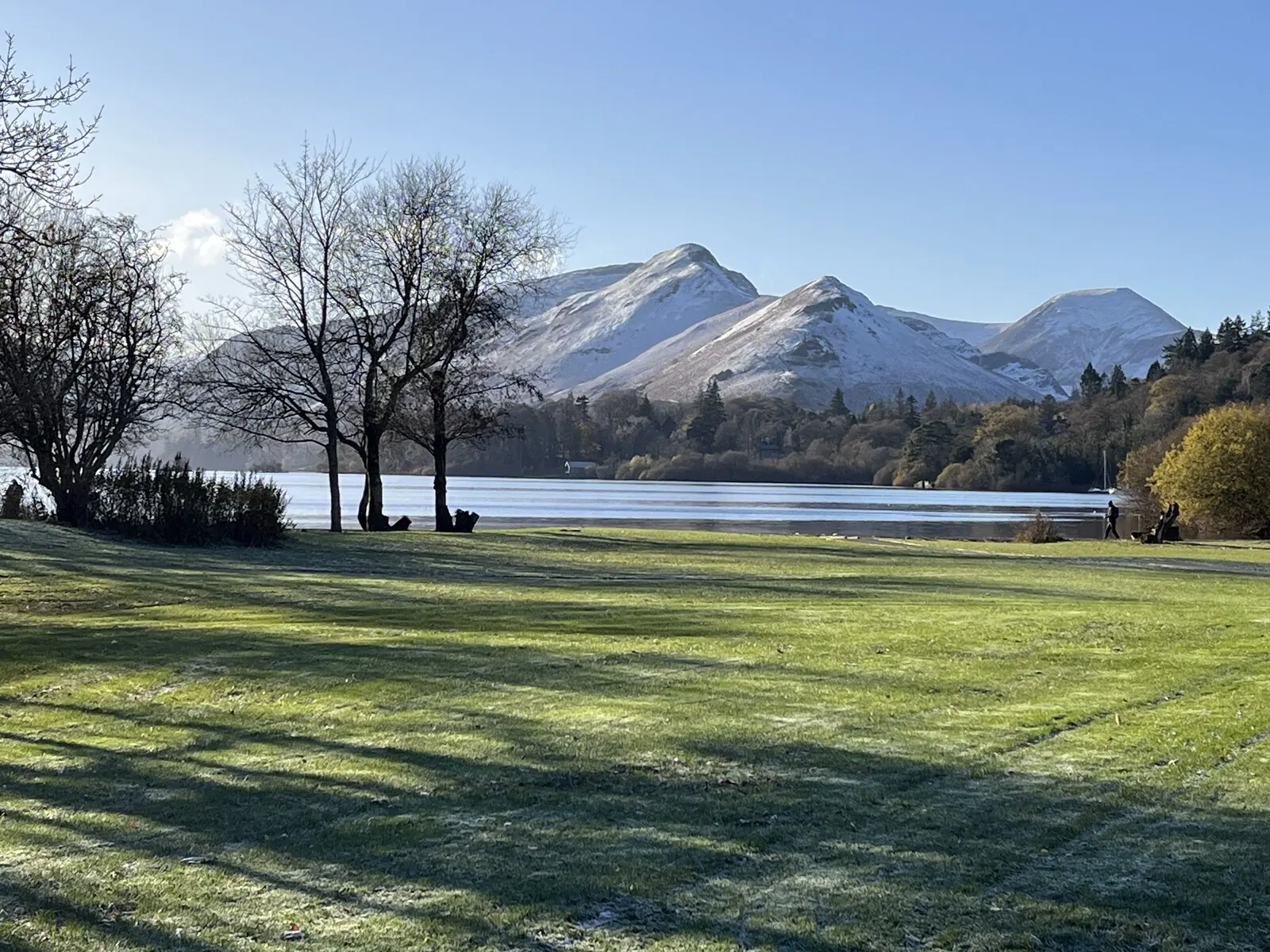

Catbells is small, popular and looks gentle from Keswick, and nearly everyone who climbs it has a good day. It's also one of the places Keswick Mountain Rescue Team is called to most often. The team lists it among its safety hotspots and says the fell is "surprisingly tricky in its upper reaches", with slips on the rocky steps causing lower-leg injuries as the most common accident. These are the things that catch people out.
The Rock Steps
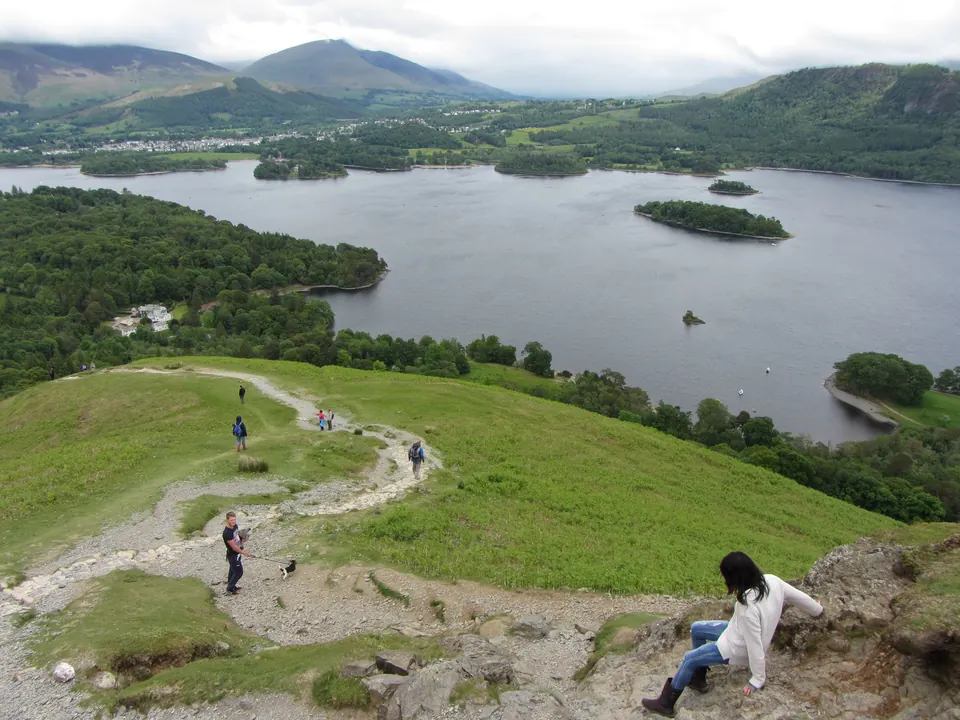
There are two short scrambles on the north ridge: one below Skelgill Bank and one just under the summit. Both are short, but the rock has been polished smooth by generations of boots.
- Most slips happen on the way down. Go up the ridge and come down by Hause Gate, as the classic walk does, and you never have to descend them.
- Wet rock is the problem. After rain, test each foothold and use your hands. In shoes without grip, turn round before the steps and you've lost nothing.
- Don't be hurried. On busy days there's a queue. Let people past and take your time.
- To avoid them altogether, use the route from Grange.
Wind and Cold
The ridge and the bare summit have no shelter. Check the summit forecast for the gust speed as well as the temperature: above about 40 mph the ridge is unpleasant, and above 50 mph it's no place to be. Carry a windproof and a warm layer all year.
Ice and Snow
In winter the rock steps hold ice, and a thin covering of snow hides it. Then Catbells is a winter mountain walk, however low it is: boots, microspikes for the path, warm layers, a head torch, and the judgement to turn back at the first step if it's glazed. The southern approach by Hause Gate is the easier line in those conditions.
Darkness and the Last Boat
People get caught out by time here more than by terrain. The last launch back from Hawes End leaves in mid-afternoon for much of the year (see today's boats), and in winter it's dark by about 4pm. Work out before you start when you need to be down, and carry a torch between October and March. If you miss the boat, it's about an hour's walk back to Keswick on the path through Portinscale.
Old Mines
Lead was mined on both sides of Catbells until the late 1800s: at Yewthwaite on the Newlands side, and at Brandlehow and Old Brandley above the lake. Most shafts have been blocked or fenced, but there are still holes, levels and loose spoil off the paths. Keep to the paths, keep dogs close near the old workings, and never go into a mine opening.
Beyond Catbells
The ridge south of Hause Gate, over Maiden Moor and High Spy, is higher, broader and much easier to get lost on in cloud. Take a map and compass and know how to use them. One specific warning from the rescue team: a path marked on maps that leaves the ridge between Maiden Moor and High Spy and drops towards Grange around Nitting Haws has led to several falls. Don't use it as a short cut down.
In an Emergency
Call 999, ask for the police, then Mountain Rescue. Say where you are as exactly as you can: the summit of Catbells is at grid reference NY 244 198. If you can't make a voice call, you can text 999, but only if you've registered first: text register to 999 now and follow the reply.
Keswick Mountain Rescue Team are unpaid volunteers funded by donations. Read their advice before you go out and their safety hotspots, and if you enjoy these fells, consider supporting them.